
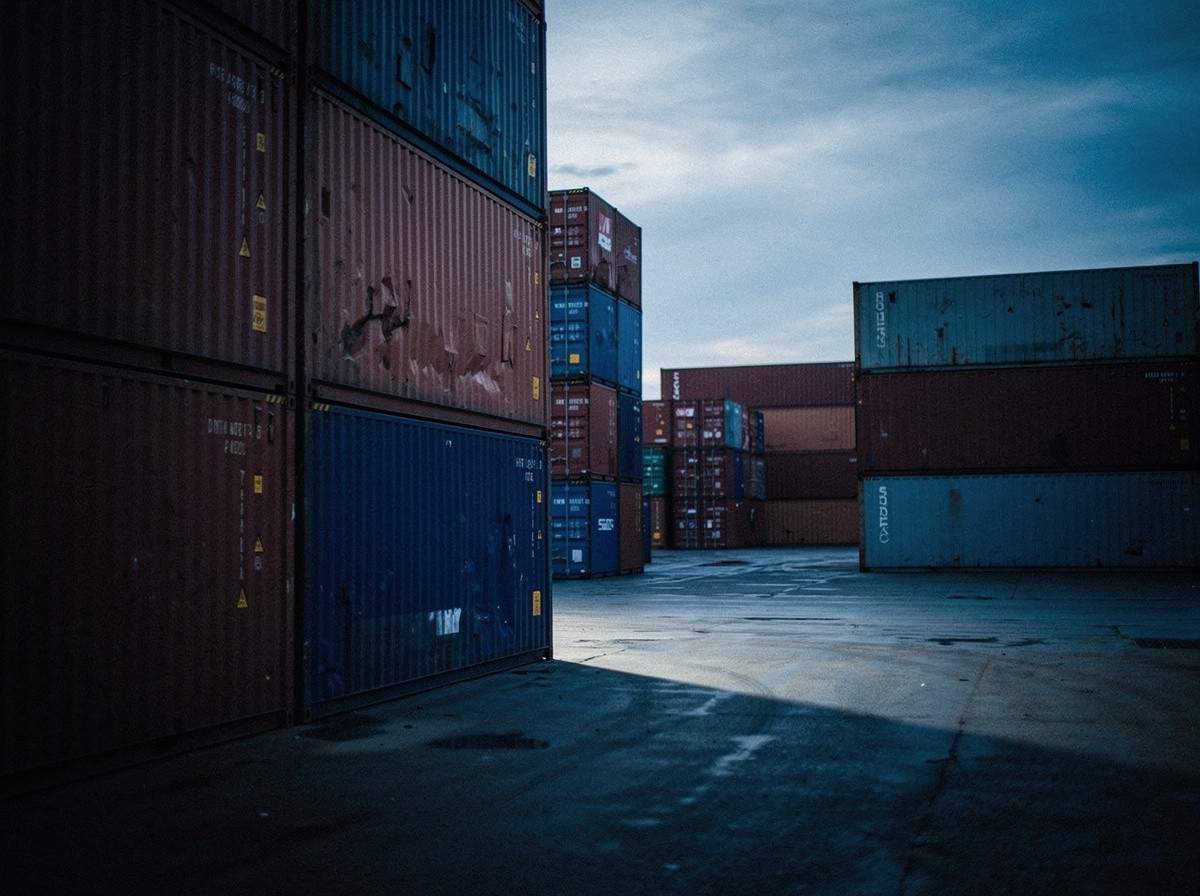

WHY SHIPMENTS ARE HELD
Most holds come from a mismatch between documents rather than a defect in the goods. A product name that does not match the licence. A manufacturer on the invoice that does not appear on the importer’s site licence. An ingredient that is permitted at one level and declared at another. A classification that was never confirmed before the container left. The goods are usually fine. The file around them is not.
WHAT TRIGGERS IT
01
Classification disagreement
The border treats the product as a different category than the importer does: a natural health product rather than a food, a drug rather than a supplement, a supplemented food rather than an NHP. Classification determines every requirement that follows, so a disagreement here stops everything.
02
Licence and registration mismatch
The importer’s site licence does not cover the activity, the foreign manufacturer is not documented against it, or the product licence details do not match what is on the pack. Since the end of the Foreign Site Reference Number process, foreign site evidence now sits entirely inside the importer’s site licence, and gaps that were previously invisible now surface at the border.
03
Label non-compliance found on inspection
Missing bilingual content, absent mandatory statements, a claim that is not permitted, or a format that does not meet the requirement. The label was never reviewed against the market it was shipped into.
04
Documentation that does not corroborate itself
Certificates of analysis that do not match the lot, invoices that name an entity absent from every other document, or specifications that were never reconciled with the licence.
WHAT WE DO
The notice says more than it appears to. Before anything is submitted, we establish what was actually asserted, under which authority, and what evidence would answer it.
Review of the hold, refusal or detention notice and the authority it was issued under.
Classification assessment and, where it is in dispute, the written position supporting the correct category.
Identification of the specific document gap and what will close it.
Assembly of the response package, and correspondence with the authority on your behalf.
Where the shipment cannot be released as shipped, the options: relabelling under supervision, partial release, re-export or disposal, with the cost of each.
A written account of the root cause so the next shipment does not repeat it.
MARKETS
In Canada, holds arise through CBSA referral to Health Canada or CFIA, and the resolution route differs depending on which directorate raised it. In the United States, FDA import refusals, detention without physical examination and import alerts each carry their own evidentiary path back to release. We work the file for the authority that actually issued it.
AFTER RELEASE
The hold was a symptom.
A shipment held once on a documentation gap will be held again on the same gap. Resolution is the urgent work. Correcting the licence, the label or the supply chain documentation that caused it is the work that stops it recurring, and it is usually smaller than people expect once the cause is known.
Currently holding a notice? Send the notice, the commercial invoice, the product label and your licence details, and we will identify the fastest defensible route to release.
A short conversation is usually enough to establish whether you are looking at a document gap, a classification question, or something larger sitting behind it.